




Complete Guide to Mounjaro: Insurance Coverage, Effects, and Prescription Process
Table of Content
- Mounjaro Indications and Insurance Coverage
- Insurance coverage conditions for type 2 diabetes treatment
- Use for obesity treatment and insurance coverage availability
- Costs and private treatment options when not covered by insurance
- Mounjaro Effects and Side Effects
- Blood sugar improvement and weight loss effects
- Main side effects and management strategies
- Comparison with other GLP-1 receptor agonists
- Mounjaro Administration Methods and Precautions
- Dosing schedule and self-injection techniques
- Lifestyle and dietary management during treatment
- Cases where use is contraindicated and diseases requiring caution
- How to Obtain a Mounjaro Prescription
- Finding medical facilities that can prescribe
- Process from initial consultation to prescription
- Availability of online consultation prescriptions
- Summary
Mounjaro Overview and Mechanism of Action
Mounjaro (generic name: tirzepatide) is a GIP/GLP-1 receptor agonist developed as a treatment for type 2 diabetes. Beyond lowering blood sugar levels, it offers appetite suppression and weight loss effects, making it highly regarded for obesity treatment as well.
Mounjaro works by stimulating “incretin” hormones involved in blood sugar control, promoting insulin secretion to regulate blood glucose levels. It also slows gastric motility, creating sustained satiety that helps prevent overeating.
Characteristics as a GIP/GLP-1 Receptor Agonist
Mounjaro’s key feature is its dual action on both GIP (Glucose-dependent Insulinotropic Polypeptide) and GLP-1 (Glucagon-like Peptide-1). This dual mechanism provides:
- Enhanced insulin secretion (lowers blood sugar)
- Suppressed glucagon release (prevents blood sugar spikes)
- Appetite suppression (contributes to weight loss)
This allows patients to achieve multiple therapeutic effects simultaneously.
This article explains insurance coverage for Mounjaro. At Personal Care Clinic, we offer tailored Mounjaro treatment plans designed to fit your body type and lifestyle.

Mounjaro Indications and Insurance Coverage
Insurance Coverage Conditions for Type 2 Diabetes Treatment
Mounjaro is approved as a type 2 diabetes treatment medication domestically. To receive insurance coverage, patients must meet the following conditions:
- Diagnosed with type 2 diabetes
- Inadequate blood sugar control despite diet and exercise therapy
- Insufficient effectiveness from other oral hypoglycemic agents or insulin therapy
For patients with high BMI (with obesity complications) where lifestyle modifications are difficult, physicians may consider Mounjaro use based on clinical judgment.
Use for Obesity Treatment and Insurance Coverage Availability
Currently, no insurance coverage system exists for Mounjaro as an obesity treatment medication domestically. However, research for weight loss purposes is progressing internationally, and approval for obesity treatment indications may be added in the near future.
Costs and Private Treatment Options When Not Covered by Insurance
When using Mounjaro without insurance coverage, it becomes private treatment with high out-of-pocket costs.
| Dosage | Price (Private Treatment) |
|---|---|
| 2.5mg | Approximately 25000 yen/month |
| 5.0mg | Approximately 45000 yen/month |
| 10.0mg | Approximately 80000 yen/month |
This article provides a comprehensive guide to Mounjaro, covering common questions from basic knowledge to costs, effectiveness, side effects, and lifestyle improvements. At Personal Care Clinic, we offer personalized Mounjaro treatment plans tailored to your body type and daily habits.
Mounjaro Effects and Side Effects
Blood Sugar Improvement and Weight Loss Effects
Clinical trials of Mounjaro have reported:
- HbA1c reduction (approximately 2%)
- Weight loss (approximately 10% reduction)
It has been reported. In particular, compared to GLP-1 receptor agonist monotherapy, a “stronger weight reduction effect” is expected.
Main Side Effects and Management Strategies
Primary side effects of Mounjaro include:
- Gastrointestinal disorders (nausea, diarrhea, constipation)
- Loss of appetite
- Hypoglycemia (especially when combined with other diabetes medications)
These symptoms typically appear during treatment initiation, so starting with low doses and gradually increasing is standard practice.
Comparison with Other GLP-1 Receptor Agonists
| Medication | Mechanism | Weight Loss Effect |
|---|---|---|
| Mounjaro | GIP/GLP-1 agonist | High |
| Ozempic | GLP-1 agonist | Moderate |
| Victoza | GLP-1 agonist | Low |
Mounjaro Administration Methods and Precautions
Dosing Schedule and Self-Injection Techniques
Mounjaro is administered via subcutaneous injection once weekly. Patients typically perform self-injection at home using pen-type injectors.
Injection Guidelines:
- Rotate injection sites (thigh, abdomen, upper arm)
- Store in refrigerator between uses
- Allow medication to reach room temperature before injection
- Follow proper needle disposal protocols
Lifestyle and Dietary Management During Treatment
To maximize Mounjaro’s effectiveness:
- Maintain a low-carb, high-protein diet
- Incorporate moderate exercise (walking, strength training)
- Stay adequately hydrated
- Monitor blood sugar levels regularly
- Maintain consistent meal timing
Cases Where Use is Contraindicated and Diseases Requiring Caution
Contraindications:
- Type 1 diabetes patients
- Individuals with severe gastrointestinal disorders
- Pregnant or breastfeeding women
- Those with history of thyroid disease
- Personal or family history of medullary thyroid carcinoma
- Multiple Endocrine Neoplasia syndrome type 2
How to Obtain a Mounjaro Prescription
Finding Medical Facilities That Can Prescribe
To obtain Mounjaro prescriptions, consult with clinics or internal medicine practices with diabetes specialists. An increasing number of medical facilities offer online consultation services.
Recommended Healthcare Providers:
- Endocrinologists
- Diabetes specialists
- Internal medicine physicians
- Certified diabetes educators
Process from Initial Consultation to Prescription
- Medical examination (blood sugar and BMI assessment)
- Lifestyle modification guidance
- Prescription initiation as appropriate
- Regular follow-up appointments
- Dose adjustments based on response
Availability of Online Consultation Prescriptions
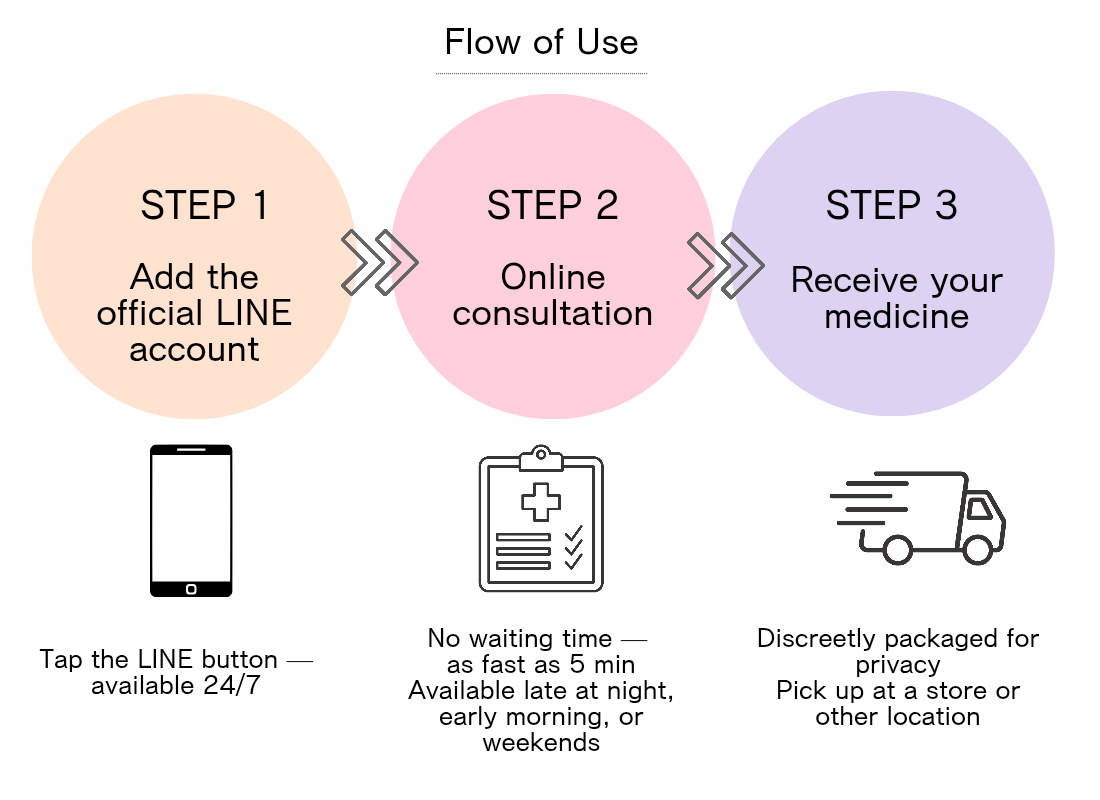
Mounjaro may be prescribed through online consultations, though some medical facilities require initial in-person visits. Verify requirements beforehand.
Online Consultation Benefits:
- Convenient access to specialists
- Reduced travel time and costs
- Regular monitoring through digital platforms
- Prescription delivery services
Mounjaro may be available through online medical consultations, but some clinics require an in-person visit for the first prescription, so be sure to check in advance.
Summary
Mounjaro is an effective treatment for type 2 diabetes that can be used with reduced out-of-pocket costs when insurance coverage conditions are met. However, insurance coverage for obesity treatment is not currently available.
Before starting treatment, thoroughly understand cost considerations and treatment options while consulting with your physician to select the most appropriate therapeutic approach. Regular monitoring and lifestyle modifications remain essential components of successful Mounjaro therapy.
The dual GIP/GLP-1 mechanism makes Mounjaro a powerful tool for both diabetes management and weight control, but proper medical supervision ensures safe and effective treatment outcomes.
If you are considering weight loss with Mounjaro and feel uncertain—wondering, “Does it really work?” or “What about side effects?”—you’re not alone. At Personal Care Clinic, we provide free consultations and create personalized treatment plans tailored to your individual situation and goals. With medical support, you can pursue safe and effective weight loss. Why not start by reaching out to us today?
Related Articles