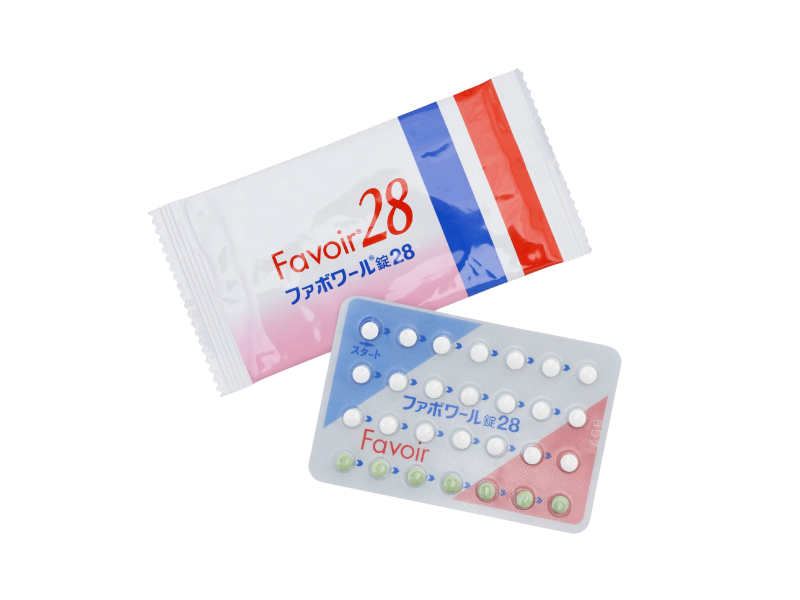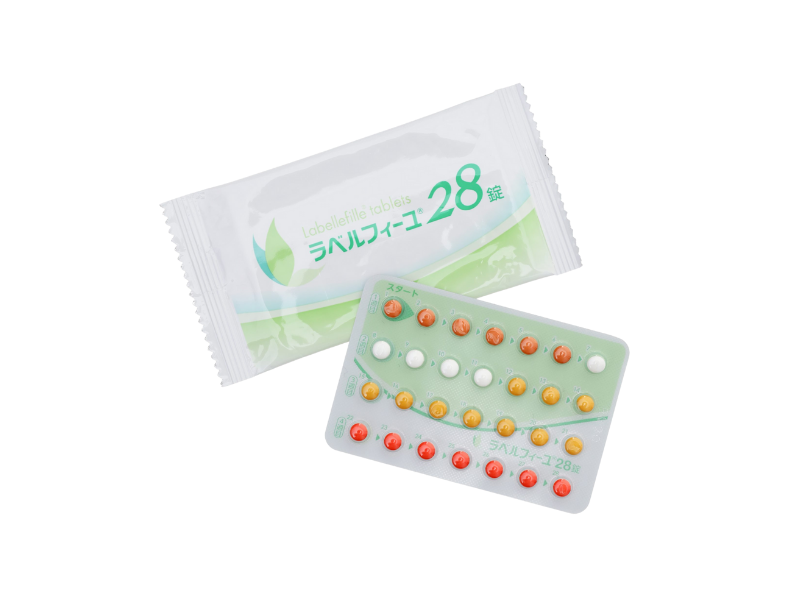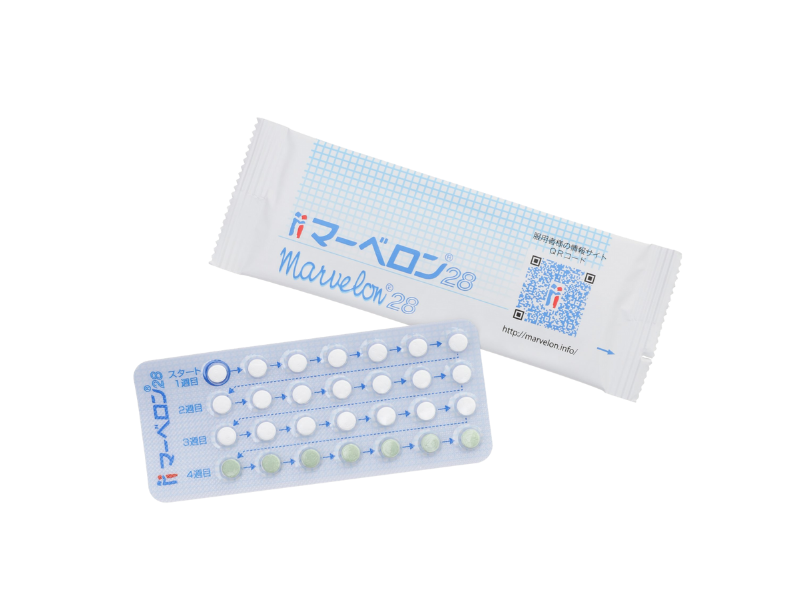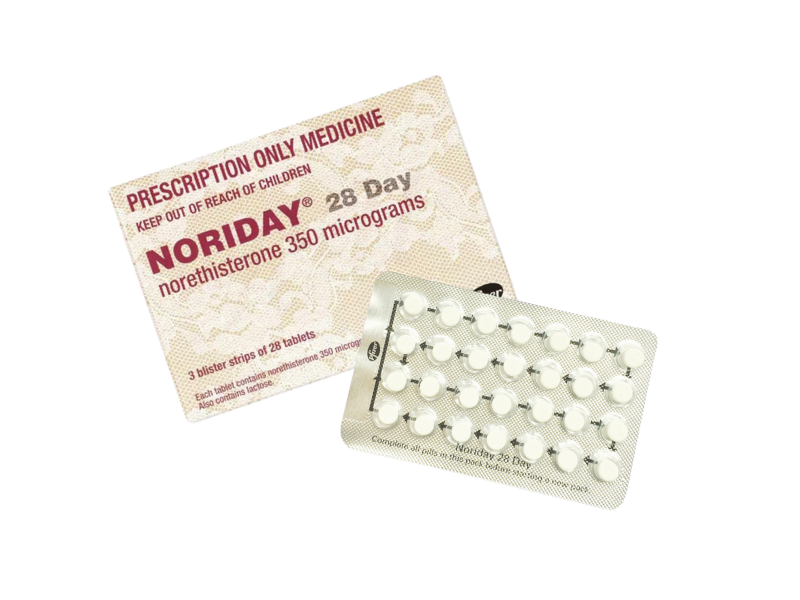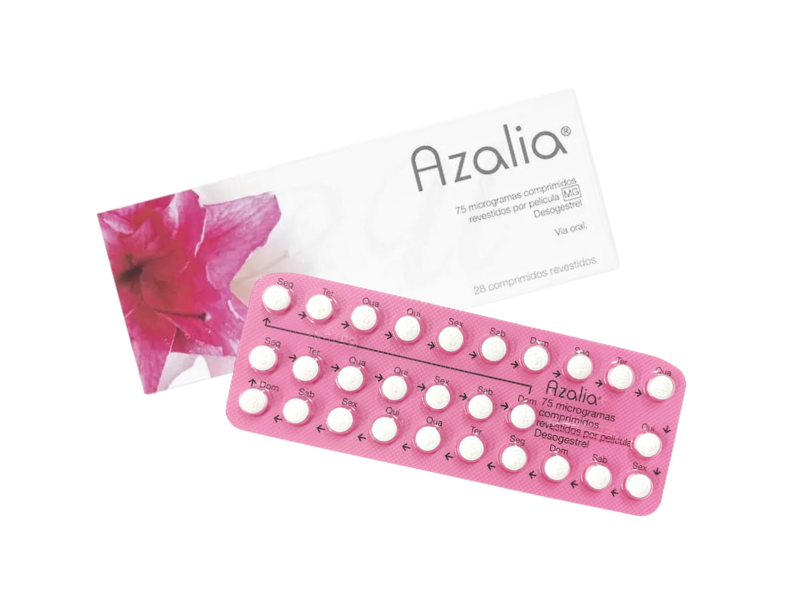


Low-dose pills are medications that help improve period pain and other menstruation-related symptoms.
Their active ingredients are the same types of ovarian hormones your body produces. You can take them with confidence while they help regulate hormone balance and ease symptoms associated with menstruation.

For many women, menstrual troubles are an unavoidable part of life.
However, in recent years, taking low-dose pills has made it possible to greatly ease these uncomfortable symptoms, improve quality of life (QOL), and live without being burdened by menstruation.
If you suffer from menstrual issues, please feel free to consult us.
Low-dose pills contain two types of ovarian hormones: progestin (progesterone) and estrogen.
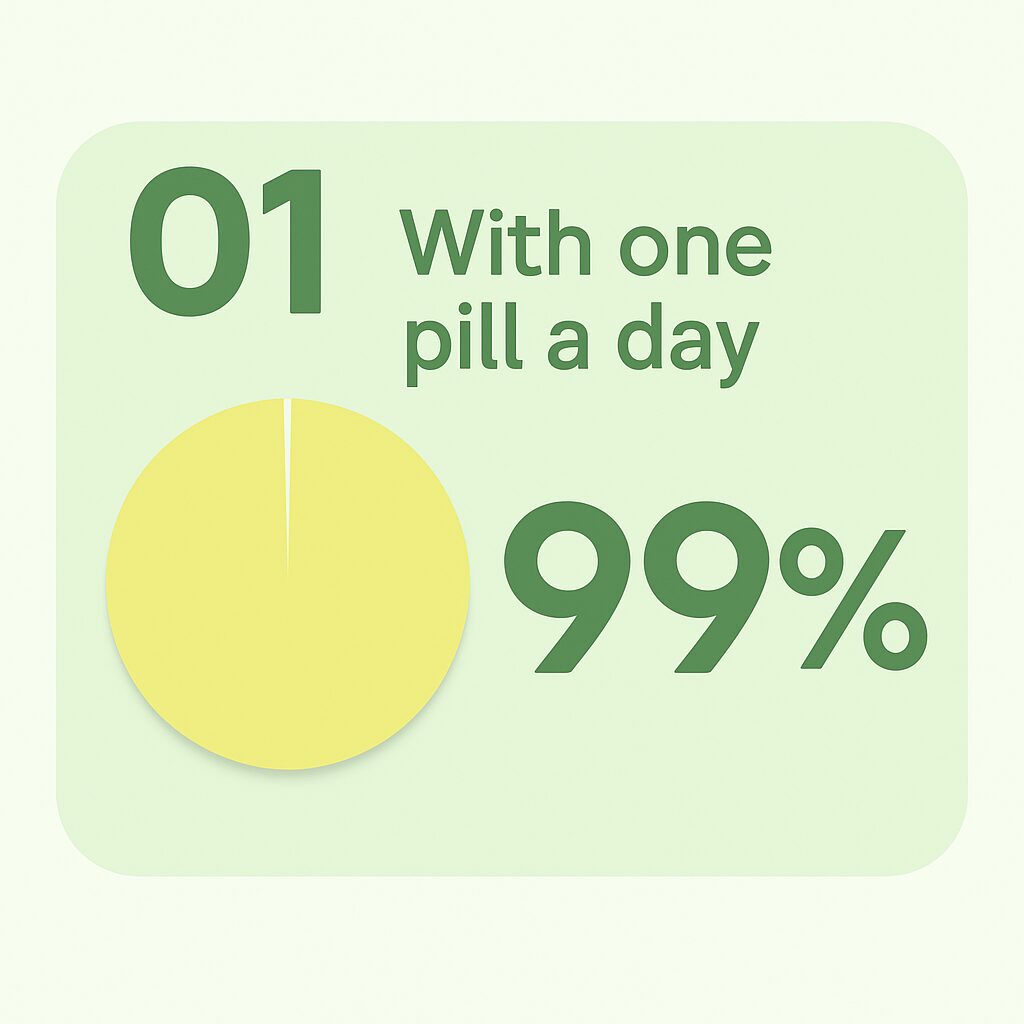
They provide more than 99% contraceptive effectiveness and are more reliable than condoms or emergency contraception. In addition, they help improve menstrual pain and premenstrual syndrome (PMS).
Among contraceptive methods, low-dose pills are known for their high efficacy and safety. When taken once a day consistently, they can prevent pregnancy with more than 99% effectiveness.
Female (ovarian) hormones fluctuate significantly during the menstrual cycle as the body prepares for pregnancy. These hormonal fluctuations control ovulation and the growth of the uterine lining, and can also lead to hormonal imbalance.
Normally, there is a sharp rise in estrogen, which causes the uterine lining to thicken. Then, as progesterone levels rise, the lining undergoes further changes to prepare for potential implantation.
Finally, the levels of both hormones drop sharply. This decrease triggers the shedding of the uterine lining, which appears as menstrual bleeding.
As shown above, the menstrual cycle involves two hormone surges at different times, followed by a steep drop — a major hormonal fluctuation.
By taking a low-dose pill every day, the levels of both hormones remain stable, making these fluctuations much milder. This leads to the following effects:
① Suppression of ovulation: Ovulation (the release of an egg) requires a rapid rise in hormones. Since this rise does not occur, ovulation is suppressed.
② Suppression of endometrial growth: Because hormone levels remain stable, the uterine lining does not thicken excessively.
Thanks to these effects, low-dose pills can help improve a variety of symptoms, as described below.
Contraception
Pregnancy occurs when an egg and a sperm unite to form a fertilized egg, which then implants into a well-developed uterine lining. Low-dose pills prevent pregnancy by (1) stopping the release of an egg and (2) preventing the uterine lining from developing enough for implantation.
PMS (Premenstrual Syndrome)
PMS is a group of emotional (such as irritability) and physical symptoms that appear before menstruation. Many women experience PMS due to significant hormonal changes before their period. Taking a low-dose pill daily keeps hormone levels steady, which can reduce or eliminate PMS symptoms.
Prevention of Endometrial Cancer
Cancer develops when abnormal cells grow uncontrollably. Tissues that frequently regenerate are more prone to cancer. Because the uterine lining repeatedly thickens and sheds, it is more likely to develop abnormal cell growth. By taking low-dose pills, endometrial proliferation is suppressed, which helps reduce the risk of uterine (endometrial) cancer.
Thrombosis (Blood Clots)
The most serious possible side effect is thrombosis. Estrogen, contained in low-dose pills, can increase blood clotting activity. As a result, clots (solidified blood) can form inside blood vessels.
Blood clots tend to develop where circulation is poor, so staying hydrated and exercising can help prevent them.
Because of this risk, the following individuals should not take low-dose combined pills:
However, even if any of these apply, there is another option called the mini-pill, which may be suitable.
Some mild symptoms, known as minor troubles, may appear when starting low-dose pills. These typically go away naturally over time. If symptoms persist, please feel free to consult us.
Take the pill at the same time every day. Begin on the first day of your period (the first day of bleeding).
If you forget to take a pill, stop taking it and restart from the first day of your next period. Please be careful not to miss doses, as this can reduce effectiveness.