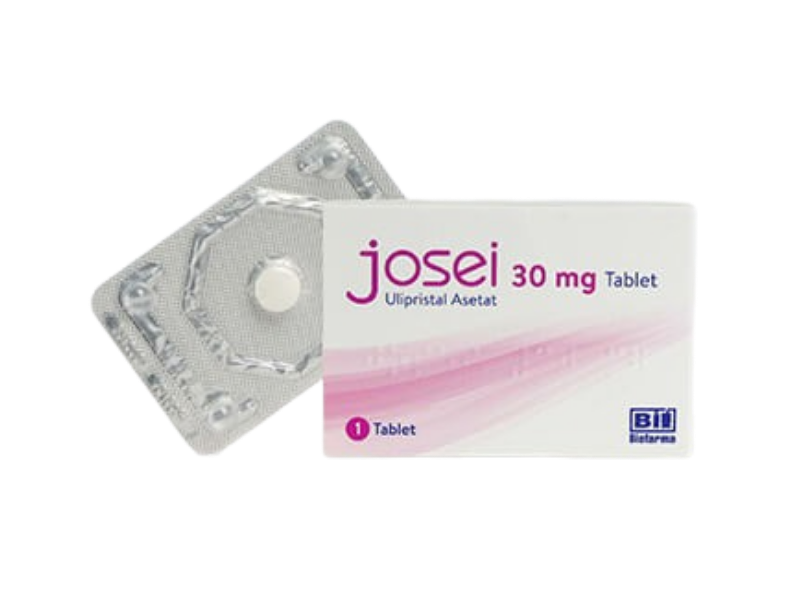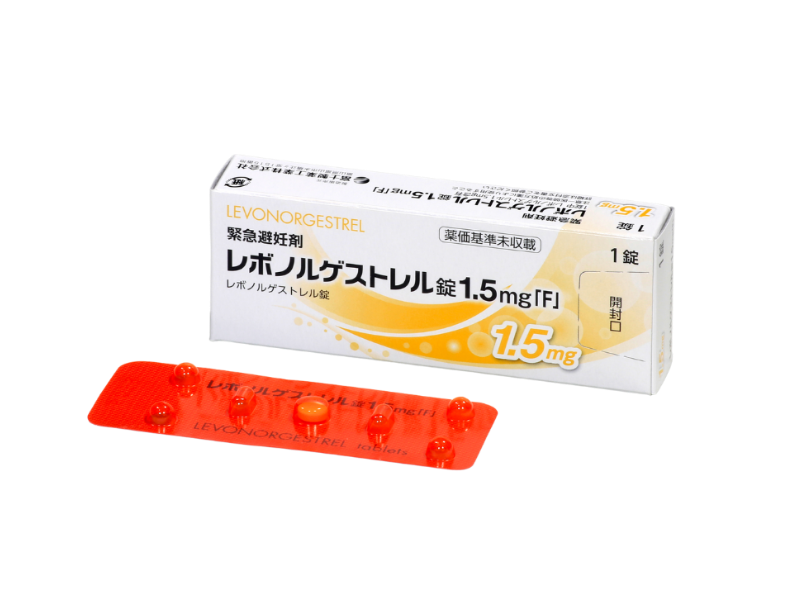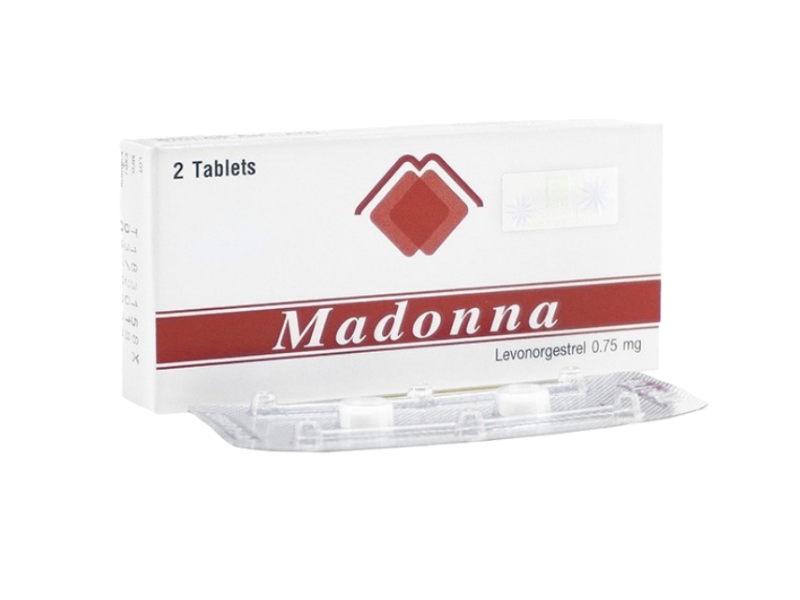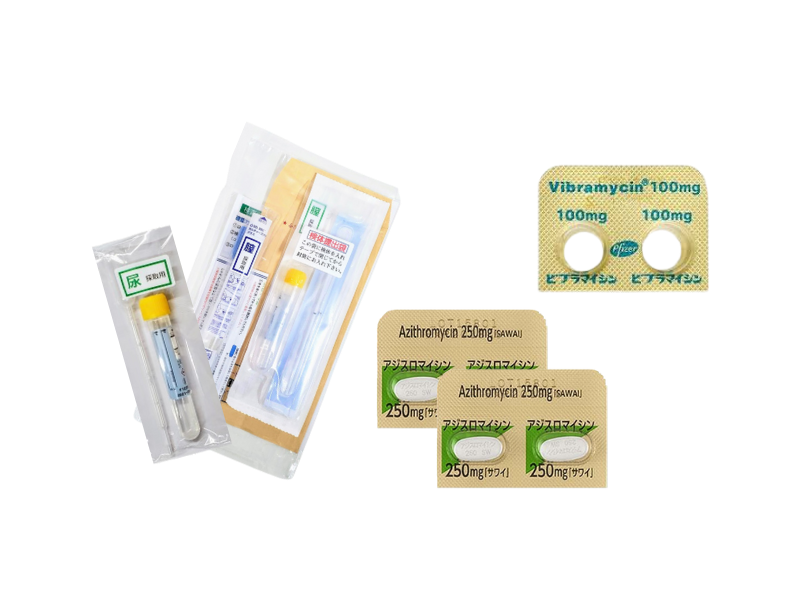


The morning-after pill (emergency contraceptive) is a contraceptive taken within 72 hours or 120 hours after intercourse when contraception failed or no contraception was used.
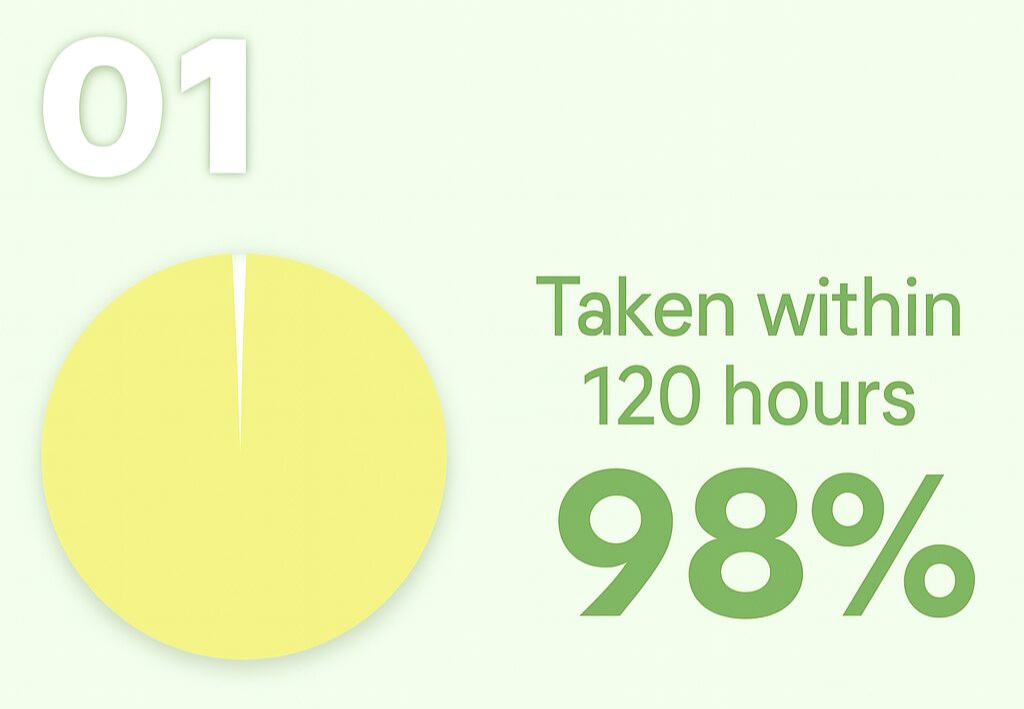








Taking it promptly offers a higher chance of preventing pregnancy
The morning-after pill begins to work soon after intercourse, making it an optimal choice for emergency contraception.
Taking it within 72 hours or within 120 hours increases the chance of preventing pregnancy—especially if taken within 24 hours.
If taken before ovulation: may delay or suppress ovulation.
If taken after ovulation: may inhibit implantation of a fertilized egg and cause the uterine lining to shed.
Through these mechanisms, pregnancy can be prevented.

The morning-after pill is recognized for safety and reliability. Clinical studies have confirmed its effectiveness and safety. Some people may experience side effects, but they are generally mild and temporary. Because it is prescribed by a medical institution, you can use it with confidence.
The effect is temporary and does not affect future fertility.
It’s simple: generally a single dose, with no complicated steps or ongoing dosing. For higher effectiveness, take it as soon as possible once it arrives, with water or lukewarm water (before or after meals is fine).
Because it is easy to use, it is an accessible contraceptive option for many women.
1 tablet once within 120 hours.
1 tablet once within 72 hours.
If within 24 hours of intercourse: take 1 tablet, then take the remaining 1 tablet 12 hours later.
If 24–72 hours after intercourse: take 2 tablets at once.
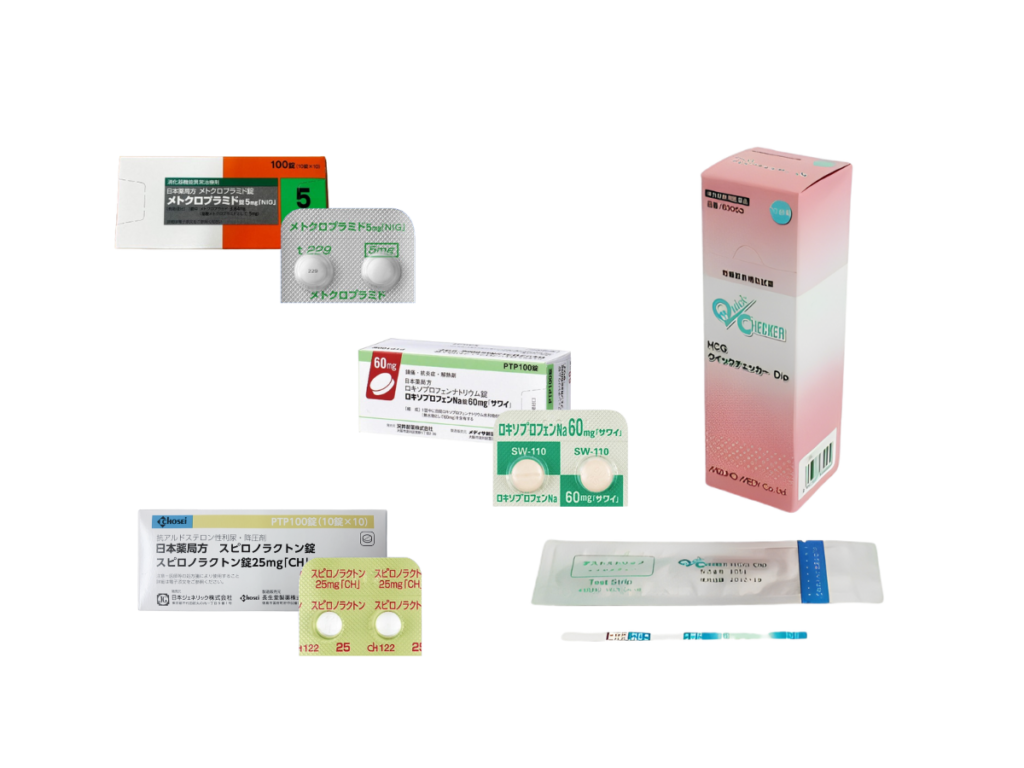
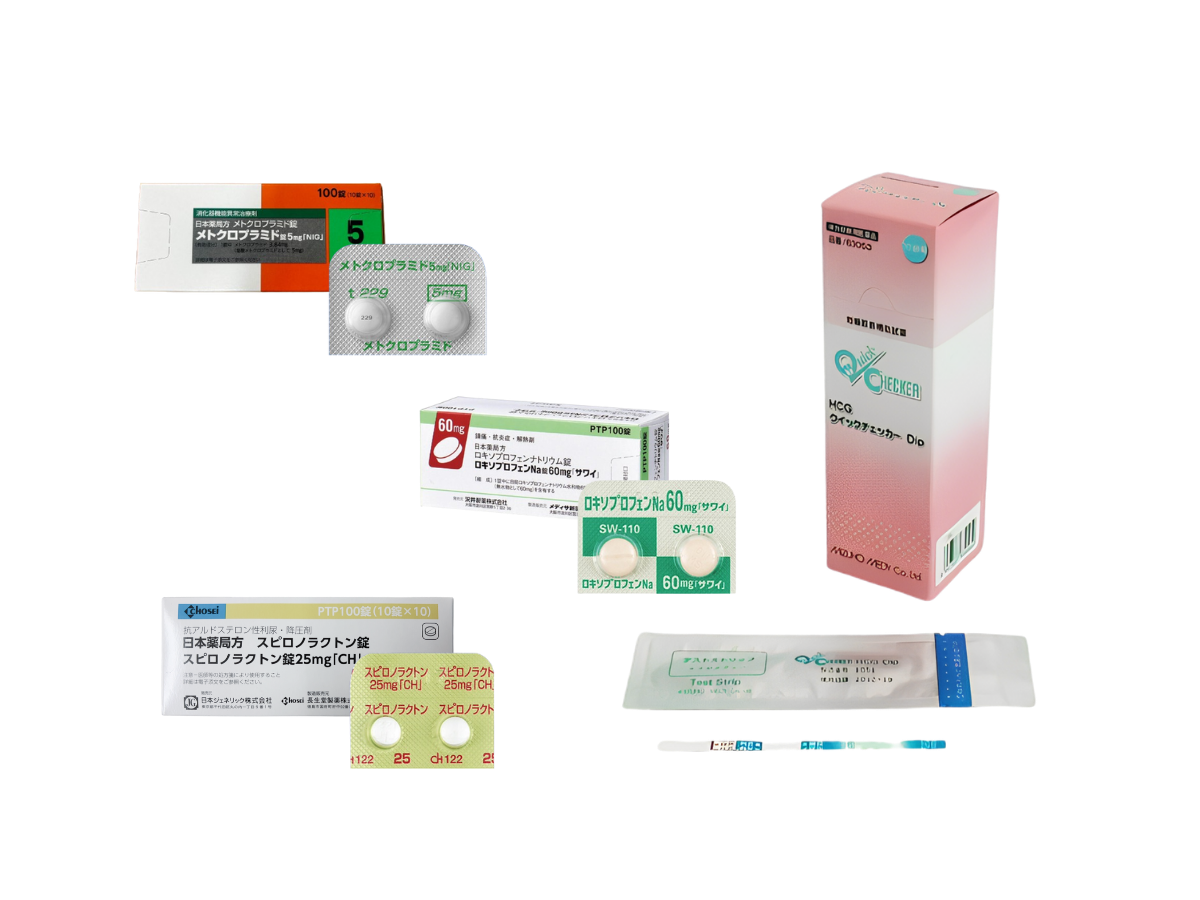
Includes one pregnancy test usable “as early as possible” after using the morning-after pill, plus two tablets each of an anti-nausea medicine, a pain reliever, and an anti-swelling (anti-edema) medicine.
Also includes aftercare services
Your next expected period may shift after taking a morning-after pill.
People with irregular cycles may not be able to predict their period, so we recommend using a pregnancy test to check whether contraception may have failed.
We provide the same type of pregnancy test used in emergency departments and OB/GYN clinics.
Although it can be used as early as 3–4 days before your expected period, because your period may shift after taking a morning-after pill, we recommend using it 3 weeks after taking the pill.
Nausea can occur as a side effect after taking a morning-after pill.
If you vomit soon after dosing, effectiveness may decrease. We therefore include an anti-nausea medicine.
Take it together with the morning-after pill to help prevent nausea; we also include one extra tablet in case nausea occurs afterward.
Headache or a sensation of warmth may occur as side effects after taking a morning-after pill. A pain reliever is included.
Swelling may occur due to hormonal balance; therefore, an anti-swelling medicine is included.
Check-ins to confirm your condition (after 2 days and after 3 weeks).
Consultations for any concerns or changes after taking the medication