



“I feel down after starting low-dose pills.”
“Are my depressive symptoms caused by the pill?”
“What should I do if the pill’s side effects make me depressed?”
Low-dose oral contraceptives offer benefits such as easing period pain and stabilizing cycles. At the same time, psychological side effects—like low mood and emotional instability—have been reported.
In this article, we explain the mechanisms, causes, and specific coping methods for how low-dose pills may be linked to depressive symptoms. We keep the original order and facts intact.
At Personal Care Clinic, physicians who have completed training designated by the Ministry of Health, Labour and Welfare (MHLW) provide telemedicine. If you feel “my mood is low…,” you can be seen quickly—tap the button below to consult now.
At Personal Care Clinic, the morning-after pill can be delivered in as little as 37 minutes.
The prescription process takes just 5 minutes, and if you apply before 10:30 AM, same-day pickup is available (depending on your area).
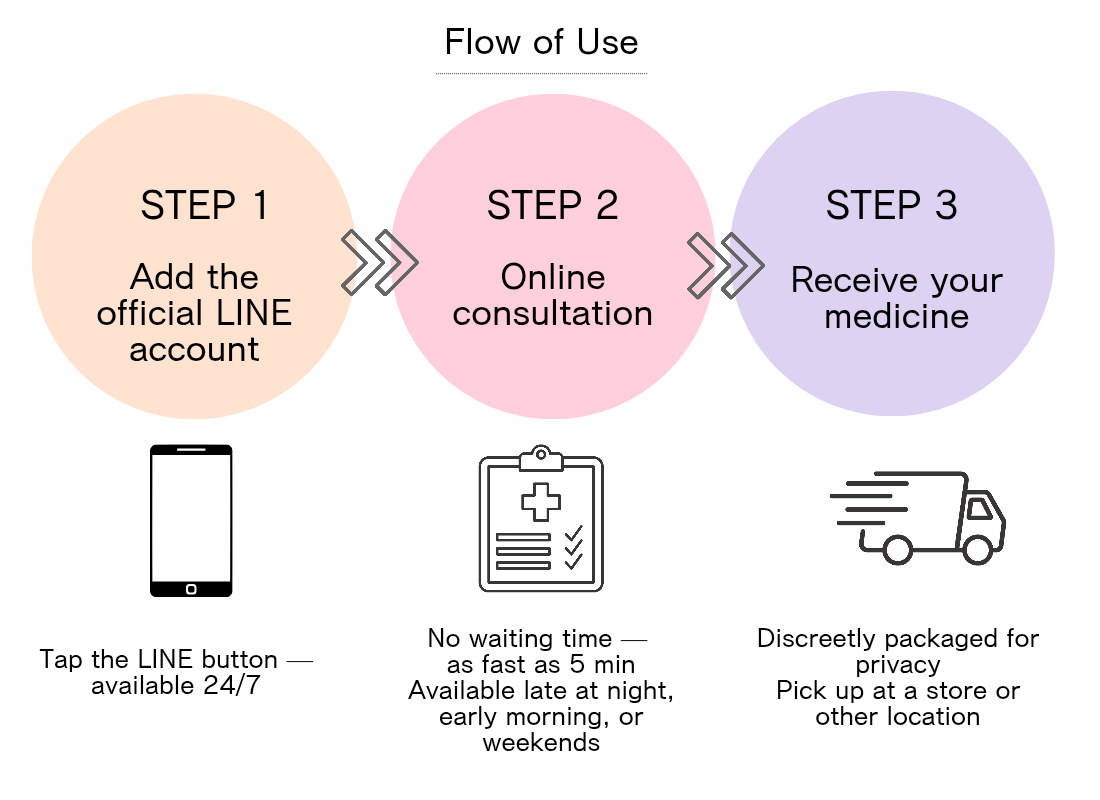
If you want to receive the morning-after pill discreetly, tap the button below to apply now.
There Is a Possibility of Depressive Symptoms as a Side Effect of Low-Dose Pills
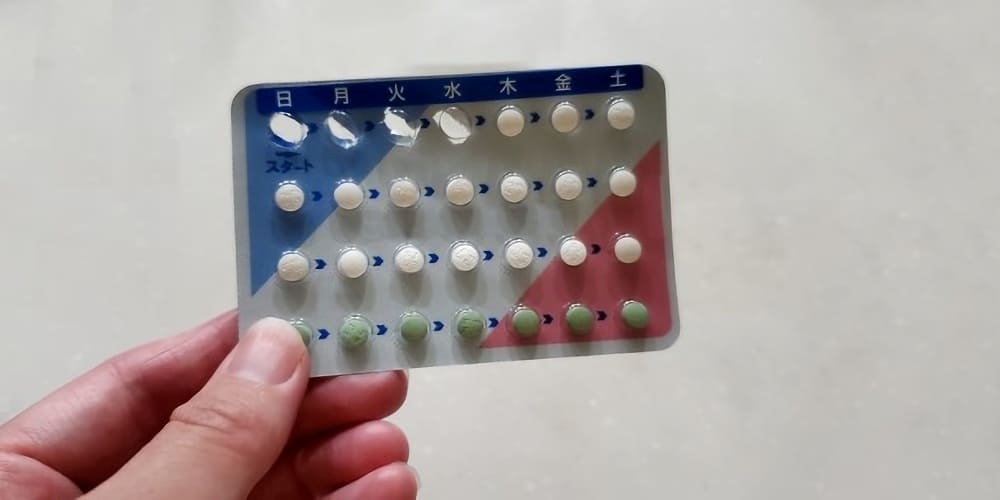
Taking low-dose pills can significantly change your internal hormone balance. This change can disrupt estrogen and progesterone levels, which may trigger mood swings and emotional instability and can be associated with depressive symptoms.
Side effects often appear soon after starting. Your body may need time to adapt to the new hormonal state. As your system adjusts, symptoms are expected to lessen.
If symptoms persist or feel strong, talk with a physician to consider appropriate next steps.
Why Depressive Symptoms May Appear as a Pill Side Effect
Because pill hormones shift, some people feel temporary mood changes. Whether this leads to depressive symptoms varies by person and is not fully proven medically.
Hormonal changes can heighten mood ups and downs, anxiety, and low mood, but these are often temporary.
If symptoms continue or feel strong, consult a doctor early and receive suitable care.
Mood Can Be Unstable When You First Start Pills
At the start of pill use, rapid hormonal shifts can make your mental state unstable. During this period—especially the first few weeks—strong mood swings, anxiety, or low mood may appear.
These symptoms are usually temporary and tend to ease as your body adapts. Manage stress and rest well. If symptoms linger or worsen, consult a doctor early for support.
Pills May Lessen PMS-Related Depressive Symptoms
Depressive symptoms in PMS (premenstrual syndrome) are linked to hormonal fluctuations (brief definition kept).
Up to 75% of women experience temporary emotional changes before menstruation. Those meeting PMS criteria are 20%–50% (moderate or higher 5.4%). PMDD (premenstrual dysphoric disorder) is 2%–17.6% (Japan: 1.2%–4.2%).
Source: Japan Depression Center, “Women’s Life Stages and Female-Specific Depression”
By taking low-dose pills, hormonal fluctuations may stabilize and symptoms may lessen (Reference: Japan Society of Obstetrics and Gynecology, “PMS”). Because pills suppress swings, PMS-related mood shifts and low mood may ease.
However, effects differ by individual constitution and hormone balance. Discuss with a doctor before starting and choose what fits you.
How Long Do Pill-Related Depressive Symptoms Last?
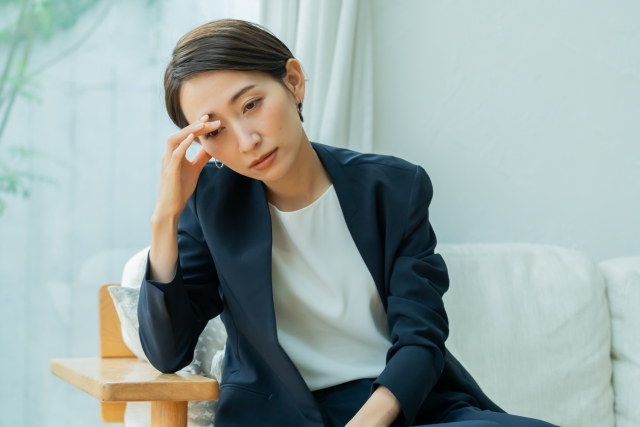
Duration varies widely, so there is no single answer. Many people notice symptoms within weeks after starting, and some improve with continued use. Yet for some, symptoms may persist unless the pill is stopped.
If symptoms continue, promptly consult a doctor to consider changing the pill type or stopping it. In some cases, continuing use improves symptoms; decide the best course together with your doctor.
Five Ways to Cope When Depressive Symptoms Appear as a Pill Side Effect
If depressive symptoms appear with low-dose pills, what helps? Here we explain five coping methods for those struggling. Try these while consulting a doctor as needed.
Method 1: Talk to Your Prescribing Doctor
It can take time for hormones to settle after you start pills, and early low mood can occur. Do not stop immediately on your own; sometimes observing for a short period helps.
First, report and discuss with your doctor. Decide to pause or continue together, not alone.
Method 2: Change the Pill Type
There are many pill types with different hormone kinds and doses. If your current pill seems linked to symptoms, ask your doctor about switching.
You may need to try several options to find a fit. For example, a lower-estrogen pill or one with a different progestin may reduce side effects. Discuss options and choose the best one with your doctor.
Method 3: Review Daily Habits
Regular routines, balanced meals, and moderate exercise are important for mind-body health. Stress can worsen low mood, so practice ways to reduce daily stress.
Make time to relax. Hobbies and movement can improve mood. Sufficient sleep also helps steady hormones.
Method 4: Record Your Symptoms
If possible, log symptoms in detail: when they occur, triggers, and how long they last. Such notes help at medical visits.
Tracking intensity and timing helps doctors adjust pills and plan care. Regular records also let you see changes objectively and respond appropriately.
Method 5: Consider a Psychosomatic or Psychiatry Visit
If symptoms are severe or long-lasting, consider seeing a specialist. When pill-related depression is significant, expert evaluation and treatment may be needed.
With a specialist, you can receive suitable medication or counseling and expect improvement. Combination with pills may be considered; follow medical guidance.
Be Careful When Combining Pills and Antidepressants
Caution is needed if you use birth control pills with antidepressants. Pill components can affect antidepressant action. Confirm use with your doctor.
When taking both, follow medical directions and manage dosing properly.
Doctors’ Advice on Pill-Related Depressive Symptoms
Depressive symptoms can appear as a side effect of low-dose pills, but they are not very common. There is no clear evidence yet on exactly how they begin, but hormonal changes are considered a factor.
Causes of depression differ by person. Other drugs or environment may play roles and are easy to overlook, so please consult a doctor first. Stopping or changing pills should be done under medical guidance.
Treatments for depression have advanced. With expert care, improvement is possible. Do not struggle alone—seek advice.
Other Medicines Besides Low-Dose Pills May Also Cause Depressive Side Effects
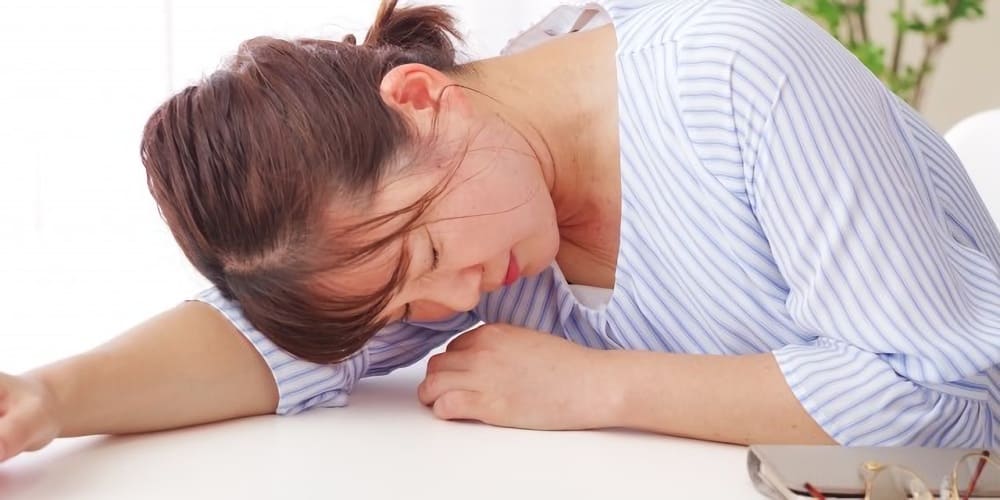
Beyond low-dose pills, various medications can cause depressive symptoms as side effects. Below, we explain drug-induced depression in particular.
Drugs That Can Lead to Drug-Induced Depression
Drug-induced depression refers to depressive symptoms triggered by specific medications. Beyond low-dose pills, agents such as antihypertensives, steroids, and antihistamines can be involved.
If you notice mental changes or emotional instability while on these drugs, consult your doctor promptly. Adjusting the medication type or dose often helps. Responses vary by drug and by individual.
If You Suspect Drug-Induced Depression, Consult the Prescribing Doctor
If you feel a medicine you take is causing depressive symptoms, do not stop on your own—consult your prescriber first. Doctors can change the drug or adjust the dose based on your situation.
They may also provide additional care to ease side effects. With proper action, drug-induced depression often improves. If worried, consult early.
Know the Side Effects of Low-Dose Pills

Before taking low-dose pills, knowing the side effects is very important. Here we outline general points and who may be more likely to experience them.
How Likely Are Side Effects?
Side effects vary by person. Reported effects include headaches, nausea, breakthrough bleeding, and emotional instability. Many are temporary and improve with continued use.
Rare but serious side effects can occur, so consult a doctor beforehand and understand the risks.
Who Is More Likely to Have Side Effects?
Some people have higher likelihood. For example, those with past hormonal instability or severe PMS (premenstrual syndrome) may experience side effects more often.
Stress and irregular routines may also contribute. Body type and genetics matter, so intensity and type differ by person. If concerned, speak with a doctor and look for ways to reduce risk.
Five Other Side Effects Besides Depressive Symptoms
Low-dose pills can have other side effects. Understand the five below as well.
Side Effect 1: Breakthrough Bleeding
Pills may cause irregular bleeding. This happens when the endometrium becomes unstable due to hormonal changes.
Most bodies adapt within a few months and the bleeding eases. If it lasts long or is heavy, consult a doctor.
Track patterns during bleeding; notes help at visits. Do not ignore symptoms; seek timely care.
Side Effect 2: Headache & Nausea
Headaches and nausea can occur. These often appear early and ease as your body adapts.
If strong or prolonged, consult your doctor. Stress care, hydration, and regular meals may help.
Pills can also cause fluid retention and swelling, often in the face and legs.
Because hormones alter fluid balance, reducing salt and exercising can help. Elevate legs or massage for leg swelling.
If swelling worsens or lasts, consult a doctor and consider changing pill type. Keep detailed notes.
Side Effect 3: Swelling (Edema)
Pills can make fluid retention more likely, causing swelling, often in the face and legs.
Because hormones affect fluid control, cut daily salt and exercise regularly. Elevating legs and massage can help.
If swelling is severe or long-lasting, consult a doctor. Consider changing pill type if needed; keep records.
Side Effect 4: Sleepiness & Fatigue
Sleepiness and fatigue can appear. Hormonal shifts can make it harder to keep usual energy.
This can affect daily life. As your body adapts, symptoms may ease. If long-lasting or disruptive, consult a doctor.
Review habits and secure enough sleep. Regular meals and exercise may help.
Side Effect 5: Breast Tenderness
Breast fullness or pain can occur while on pills, caused by hormonal stimulation of breast tissue.
It often appears soon after starting and typically improves within months as your body adjusts. If it lasts long or is intense, consult a doctor to consider pill type or dose changes.
For strong pain, wear loose clothing or cool the area. Communicate with your doctor and take appropriate steps.
Frequently Asked Questions About Pill-Related Depression
While using pills, depressive symptoms can appear as side effects. In this section, we answer common questions to ease worries and deepen understanding.
How long does emotional instability last?
Emotional ups and downs often settle within 1–3 months after starting. During this period, mood swings and anxiety may be stronger.
As your body adapts, symptoms tend to ease. If they persist or are intense, consider changing pill type or other care with your doctor. Early consultation is recommended for strong symptoms.
More on emotional instability ≫
Can pills worsen mental health?
Worsening can occur in some users. Those with prior instability or past depression may see recurrence.
Stressful environments or difficult adjustment can also have negative effects. If you feel worse, consult a doctor to review use or other treatments. Early action helps prevent worsening.
Can pills disrupt the autonomic nervous system?
Pills can affect the autonomic system. Hormonal shifts can influence it, causing light sleep, fatigue, or dizziness.
These often appear early and improve as you adapt. If long-lasting, consult a doctor. Lifestyle tuning and stress care help.
Keep regular routines to restore balance.
After how many months do symptoms stabilize?
Side effects generally ease over time as hormones adjust. Many feel stable around the third month.
There is individual variation. If not improved after three months, consult a doctor to review pill type or consider other care.
Summary
Low-dose pills provide benefits such as easing period pain and cycle control, but psychological side effects need attention. If depressive symptoms or emotional instability appear, consult a doctor early and take appropriate action.
This article explained mental effects and practical steps. Watch your condition closely, consider changing pill types if needed, and improve daily habits. Put health first and practice proper care.
At Personal Care Clinic, physicians trained under MHLW programs can see you online, with in-person visits on request. Tap the button below to consult now.